


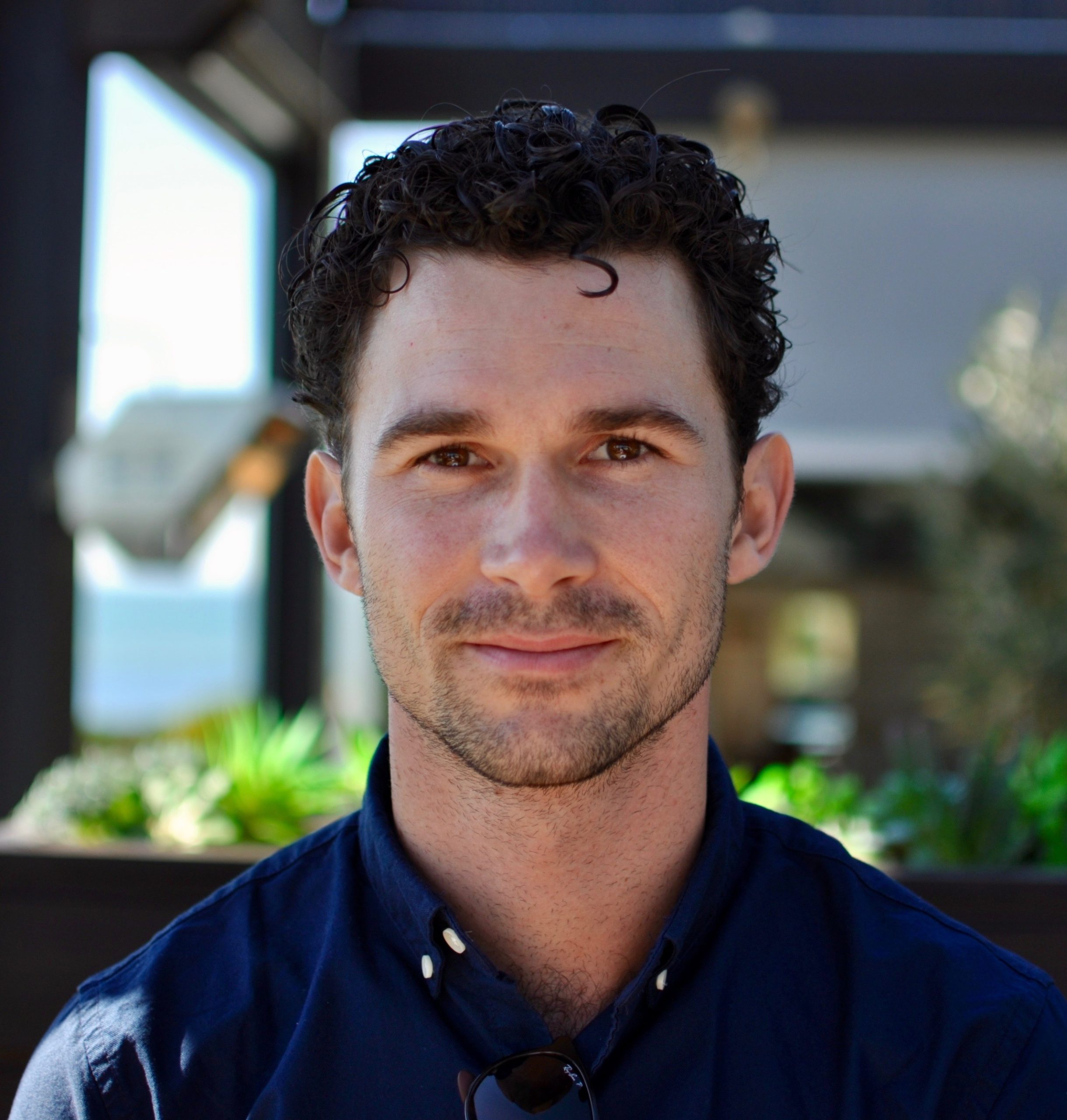
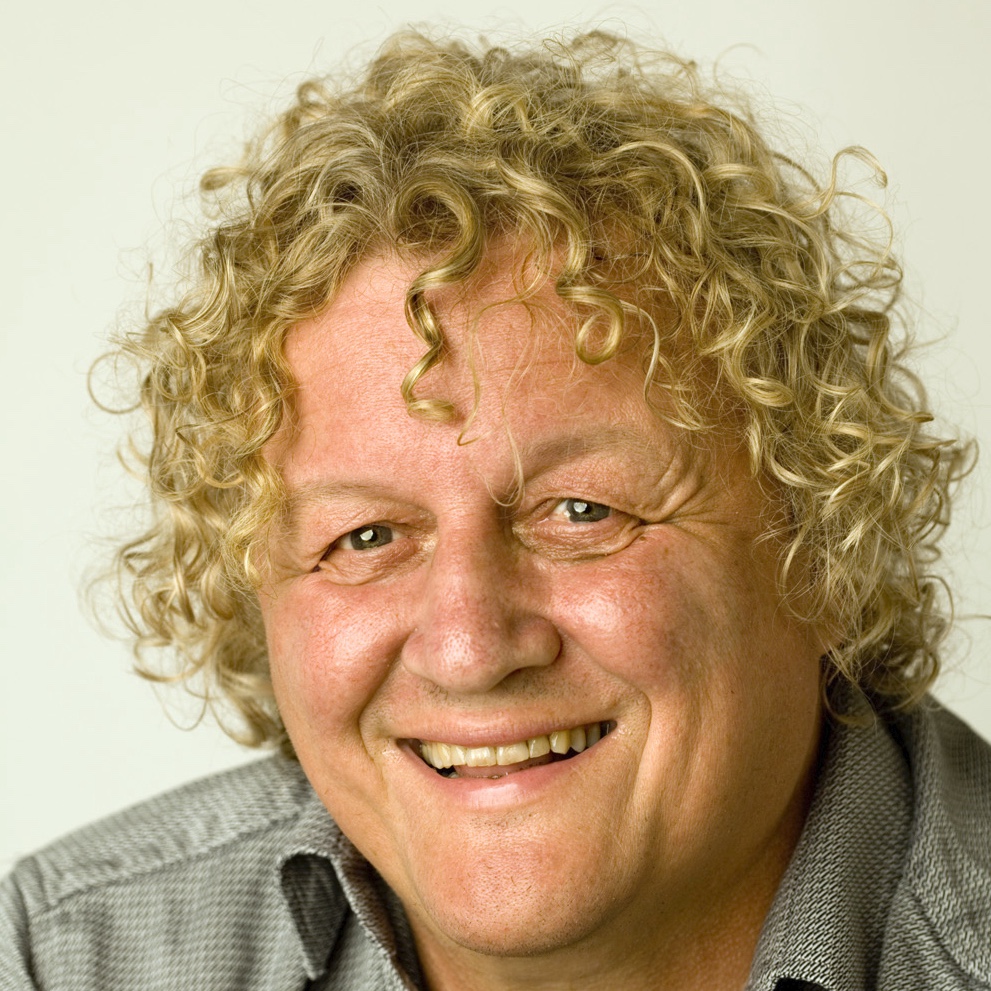


Maria Vaioleti-Ponga is a Montessori educator and Wellbeing Coordinator in Western Australia, and founder of Purple Fig Wellbeing Services. She works at The Montessori School Kingsley, supporting children’s emotional regulation and wellbeing in everyday school life, alongside educators and families. Her work focuses on practical strategies that support the child’s capacity for regulation, independence, and engagement in learning.
Maria developed the RELEASE Montessori Wellbeing Model in response to the growing emotional needs observed in classrooms and school communities, drawing on Montessori philosophy, lived experience, and holistic wellbeing approaches informed by her Pacific and Māori cultural perspectives. She is passionate about creating learning environments where the child remains central, and where educators feel supported, confident, and equipped to nurture both learning and wellbeing in practice.

Alexandra Bailey is an AMI-trained Montessori Elementary educator (6–12), registered teacher, learning designer, and founder of MonteLearn. Having been both a Montessori student and Montessori educator, Alexandra brings a lifelong connection to Montessori philosophy and practice.
With over 10 years of Montessori classroom experience and a career spanning education, vocational learning, government, and organisational development, Alexandra specialises in translating contemporary learning science into practical strategies that strengthen rather than replace Montessori pedagogy.
Her work explores the intersection of Montessori education, neuroscience, human development, and learning design, with a particular interest in attention, autonomy, neurodiversity, and the social conditions that support learning. Alexandra is passionate about helping educators better understand how children experience learning and how thoughtfully prepared environments can foster independence, belonging, and insight.
Alexandra is also a Montessori parent of two neurodiverse young adults, bringing both professional and lived experience to her work with children, educators, and schools.

Hope is a co-founder and Education Director of The Laren School, an inclusive school in Manila, Philippines. She is AMI (Association Montessori Internationale) certified in 3-6, 6-12 and 12-18 levels. Possessing a Master’s degree in Education (Special Ed) and Psychology, she has been in the field of education for the past 37 years. She has researched on, published and presented about Inclusive Education since 2004. She is a certified reading therapist, fledgling carpenter and concurrently Director for Asia Development of Montessori Model UN (MMUN).

Laureen Barnard is an education consultant and former school leader with experience across Montessori and mainstream education and administration. She specialises in adolescent development and programs, along with regenerative approaches to school culture and leadership within Montessori settings. Laureen holds a Graduate Diploma of P–12 Education and AMI certifications in 0–3, 3–6, 6–12, Montessori School Administration, and the AMI 12–18 Diploma. She has founded innovative Montessori programs within both public and independent schools and now leads LiberateEd, supporting schools, educators, and communities across Australia and the Asia-Pacific through mentoring, strategic design, parent education, and professional learning. Laureen currently serves on the Board of Montessori Schools and Centres Australia, is an AMI 12-18 ToT and part of the training team at Sydney Montessori Training Centre. She is passionate about creating contemporary, contextual environments where young people — and the adults who guide them — can truly thrive.

After a successful government and corporate career, Karen became involved with Montessori education in 1993 when her first child began in a Montessori toddler program. She subsequently undertook state teacher training at primary and secondary levels as well as Montessori training from birth to adulthood, including AMI 3-6 and AMI 6-12 Diplomas and the AMI-NAMTA Orientation to Adolescent Studies. Karen has worked as a Montessori teacher, principal, advisor and researcher. She has a PhD in Montessori leadership and is currently working on publishing from her thesis. Karen is an AMI Montessori School Leadership Trainer and a Board Director at Sydney Montessori Training Centre. In her spare time, she enjoys bushwalking in the Victorian Alps and is currently exploring the connection between Maria Montessori’s legacy and insects. Karen was granted a State Fellowship Award by the Australian Council of Educational Leaders in 2016 for her significant contribution to education.


Mel is an educator and researcher dedicated to systemic educational transformation. Currently working at Margaret River Montessori School, she guides the 0–3 program and supports school-wide integration of land-based learning and Indigenous perspectives. Mel holds a Master of Education in Human Ecology, with a research background in anti-racist pedagogy, decolonising mindsets, and transformative frameworks. Having taught in child-centred and nature-based learning environments in Australia, Spain, and Canada, she brings a global and progressive lens to her practice. Mel’s work is driven by a desire to build teacher confidence and capacity, and to cultivate educational spaces that champion plurality, helping children develop the inclusive mindsets necessary to advocate for a culture of shared wellbeing.

Sarah works on Gubbi Gubbi Country at the intersection of behavioural science, psychology, inclusion, education, and neurodivergence. Over the past 15 years, she has worked closely with kindergartens, primary schools, and higher education settings, partnering with educators and families to support children and young people with diverse needs. Currently, she offers therapeutic and consultative support to families and schools through a contextual, collaborative approach, recognising that this is key to genuinely supporting them.
Over three decades in therapeutic, family, educational and community settings, Sarah has grounded her work in authentic relationships. She listens respectfully and attentively to children and young people, as well as to the families and educators around them, while observing the behaviour, relationships and environments that shape everyone’s experiences.
Montessori philosophy has been a part of Sarah’s life long before she recognised it. When she and her family searched for an educational environment for their children, Montessori resonated deeply with their parenting values. She has completed the AMI 3-6 and AMI 12-18 orientations and is currently pursuing the AMI 6-12 orientation to deepen her understanding.
As a Contextual Behaviour Analyst and Psychologist, Sarah integrates behaviour science, child and adolescent development, advocacy, social-emotional wellbeing, and Montessori philosophy, guided by her core beliefs that relationships are foundational, behaviour is communication, inclusion must be equitable, and that children and young people must be truly respected and heard. She also firmly believes that the adults supporting them deserve the same kindness and compassion to nurture their own growth and learning.


Chloe Summers is a Director at EIW Architects and a registered architect in both South Australia and Western Australia, with extensive experience designing educational and community spaces in Australia and internationally.
Chloe is passionate about architecture that goes beyond aesthetics to create environments that foster connection, belonging and positive change. Her work spans projects across Western Australia and South Australia, as well as internationally, including Nanjing International School in China and Vientiane International School in Laos. Her Australian education projects include Iona Presentation College, Corpus Christi College and Court Grammar School, along with the Dr Pamela Wall Theatre in South Australia.
She has also contributed to pro-bono projects including the RAWA Community School and Matipwili Trade Training Centre, reflecting her commitment to equitable and community-focused design.
As Chair of Learning Environments WA, Chloe champions innovative, sustainable and inclusive learning environments and encourages broader conversations about the role thoughtful design can play in education. She has also served on the Australian Institute of Architects’ Acumen Content Review Panel, contributing to professional resources for architects across Australia.
Chloe holds a Master of Architecture from the University of South Australia.
Mel is an educator and researcher dedicated to systemic educational transformation. Currently working at Margaret River Montessori School, she guides the 0–3 program and supports school-wide integration of land-based learning and Indigenous perspectives. Mel holds a Master of Education in Human Ecology, with a research background in anti-racist pedagogy, decolonising mindsets, and transformative frameworks. Having taught in child-centred and nature-based learning environments in Australia, Spain, and Canada, she brings a global and progressive lens to her practice. Mel’s work is driven by a desire to build teacher confidence and capacity, and to cultivate educational spaces that champion plurality, helping children develop the inclusive mindsets necessary to advocate for a culture of shared wellbeing.

Lisa Fenton is an experienced Montessori educator and school leader committed to nurturing connected, compassionate and purpose-driven educational communities. As Principal of Margaret River Montessori School in southwest WA for more than a decade, she has guided the school through significant growth, including the development of its Montessori Adolescent Program and secondary education pathway.
Lisa holds a Bachelor of Arts, Graduate Diploma in Secondary Education, Diploma in Montessori Education (6–12), and AMI certification in Montessori Administration. Her experience also includes teaching and consulting within Aboriginal communities, deepening her understanding of the importance of place, culture, relationship and community in education.
Lisa’s leadership is grounded in a desire to lead with heart and hold the wellbeing of the whole community at the centre of her work. Her practice draws on Montessori’s Cosmic Vision and its understanding of the interconnectedness of all life, woven together with Indigenous understandings of place and connection to Country. She is passionate about creating communities where children and adults understand their place within a larger living system and are empowered to contribute to its wellbeing.

Tessa Vincent is a wellbeing practitioner and educator passionate about creating environments where children, families and communities feel connected, supported and able to thrive. She currently works as the Wellbeing Officer across both campuses of Margaret River Montessori School in southwest WA, supporting students, staff and families through a holistic, relationship-centred approach to wellbeing.
Tessa holds a Bachelor of Applied Science in Families and Wellbeing, alongside qualifications as a doula and in postnatal care. Her experience spans diverse international communities and educational environments, including outdoor learning and nature-based immersion programs, shaping her understanding of wellbeing as deeply connected to relationships, belonging, place and the natural world. Tessa’s work is grounded in the belief that wellbeing begins with connection. She brings a warm, relational and strengths-based approach, supporting children to develop self-awareness, resilience and belonging while working alongside families and educators to create environments where every child can flourish.
